Osteoarthritis is a debilitating degenerative joint disease, the onset and progression of which are closely linked to the failure of interfacial lubrication. Inspired by the hydration lubrication mechanism of phospholipids in natural synovial fluid, this study develops a novel bio-inspired nanolubricant to restore lubrication in pathological joints. A nanomaterial (CQD-PMPC) is synthesized via a hydrothermal method and free-radical polymerization by grafting poly(2-methacryloyloxyethyl phosphorylcholine) (PMPC) to chitosan-derived carbon quantum dots (CQDs). This design synergizes the superior biocompatibility and surface modifiability of CQDs with the exceptional hydration capacity and lubricity of zwitterionic PMPC. Successful grafting is confirmed by comprehensive characterization, and the resulting CQD-PMPC exhibits excellent aqueous dispersibility and stability. Tribological evaluations demonstrate that the aqueous dispersion of CQD-PMPC achieves superlubrication on artificial surfaces (e.g., PDMS and Ti6Al4V alloy), with a low coefficient of friction (COF) of approximately 0.003. More importantly, on ex vivo chicken cartilage, its lubricating performance significantly surpasses that of clinically used hyaluronic acid, maintaining a stable COF of around 0.02. The lubricant also displays outstanding load-bearing capacity, frequency independence, and long-term durability. This work provides a new strategic direction and experimental foundation for developing high-performance biolubricants to treat early-stage osteoarthritis.
周老师: 13321314106
王老师: 17793132604


邮箱号码: lub@licp.cas.cn





 润滑剂
润滑剂
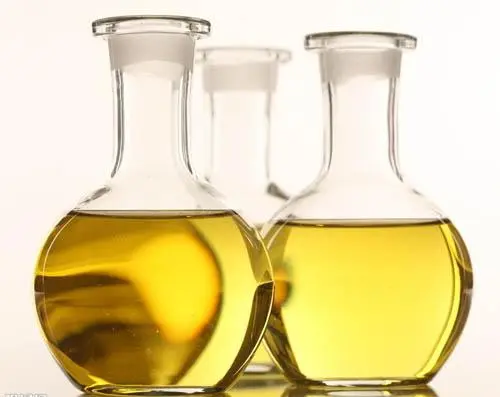 润滑油添加剂
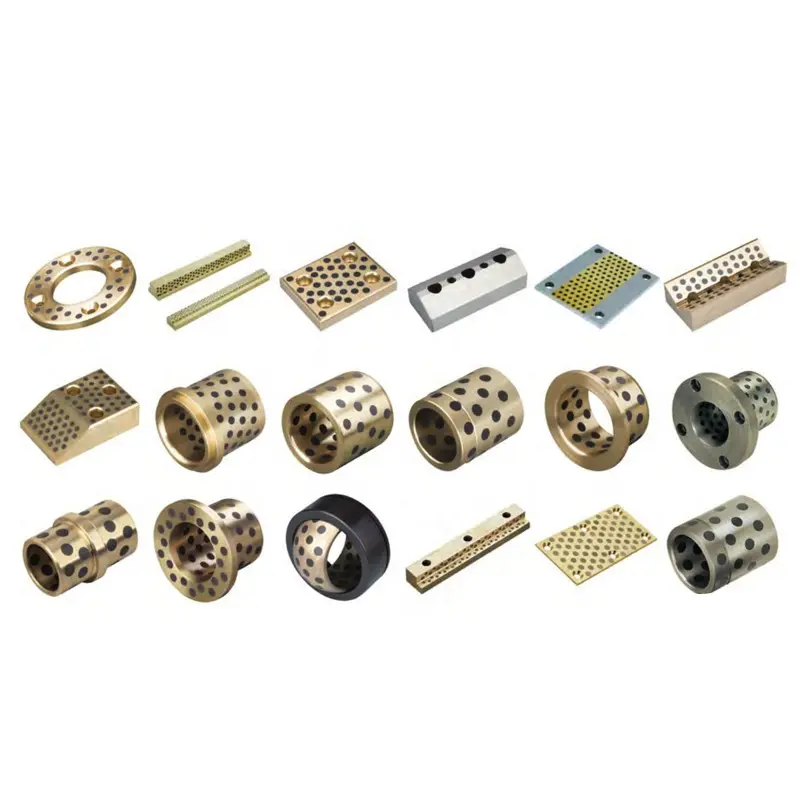 自润滑材料
自润滑材料
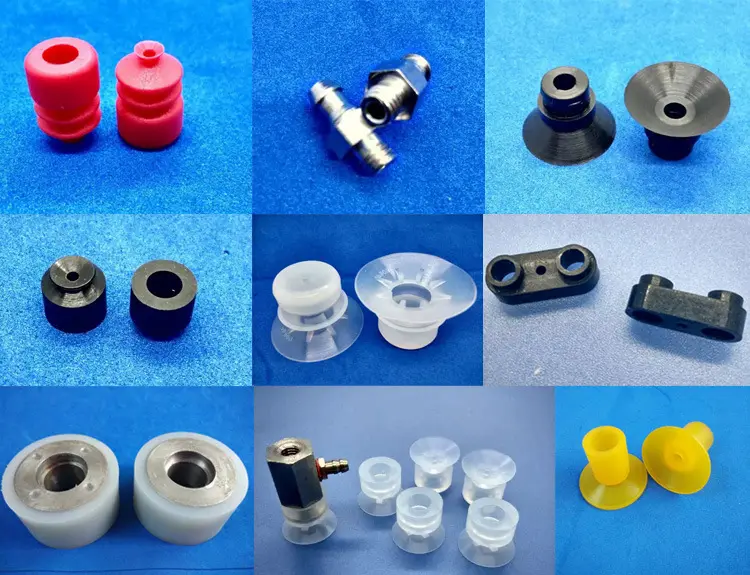 密封材料
密封材料
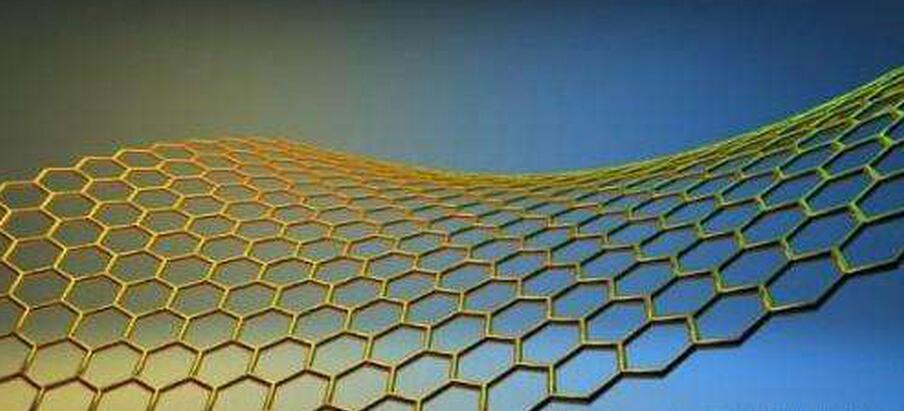 新兴材料
新兴材料
 加工设备
加工设备
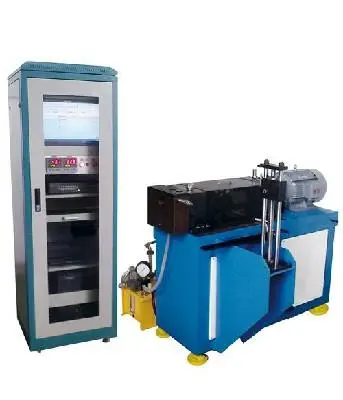 摩擦试验机
摩擦试验机
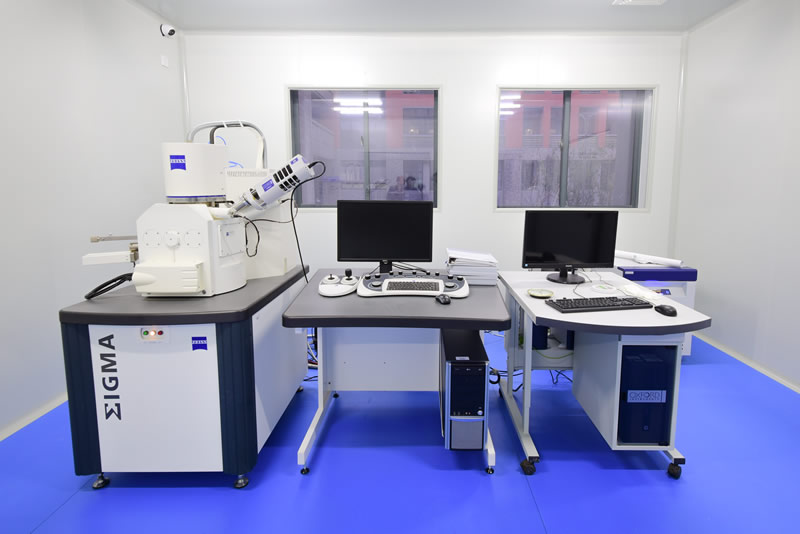 大型表征仪器
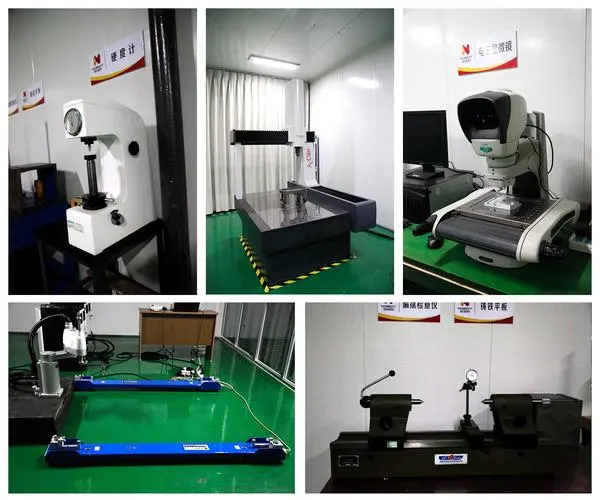 小型测试设备