Conventional lubricating hydrogels struggle to simultaneously achieve excellent mechanical strength and interfacial lubrication due to the bulk and surface homogeneity. To address this, we developed a hydrogel with superior lubrication and load-bearing performance by selectively breaking bicontinuous microphase confinement on the hydrogel surface, in which the hydrogen-bond association within the microphase is dissociated to release the confined polymer chains. The bicontinuous matrix acts as the load-bearing phase, utilizing its percolated hydrophilic/hydrophobic microphase interfaces for dissipation (elastic modulus ∼417 MPa). The broken microphases form a brush-like lubricating layer with strong hydration and entropic repulsion (coefficient of friction ∼0.0029). This structure effectively reduces shear stress and blunts friction cracks to improve wear resistance, and the percolated hydrophilic phase maintains sustainable lubrication via self-regeneration (coefficient of friction ∼0.0034, 50 N load, 100k cycles). This system also exhibits a closed-loop recycling, retaining 98.5% of its friction-reducing capabilities even after 100 cycles of reuse. Among reported lubricating hydrogels, this system achieves the lowest coefficient of friction with the highest modulus. This strategy provides a sustainable, innovative solution for lubrication systems under extreme conditions.
周老师: 13321314106
王老师: 17793132604


邮箱号码: lub@licp.cas.cn





 润滑剂
润滑剂
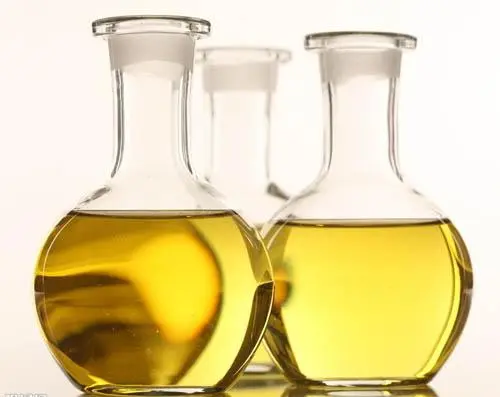 润滑油添加剂
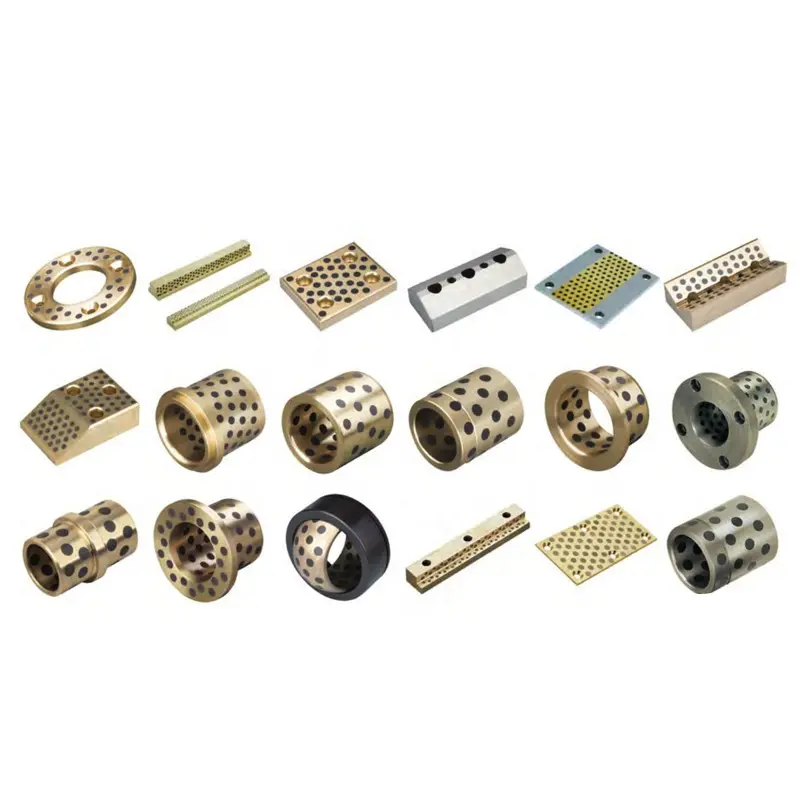 自润滑材料
自润滑材料
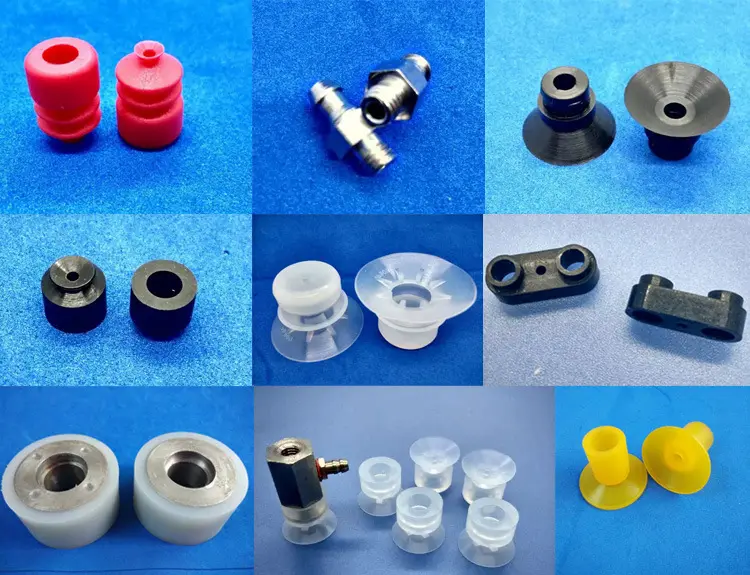 密封材料
密封材料
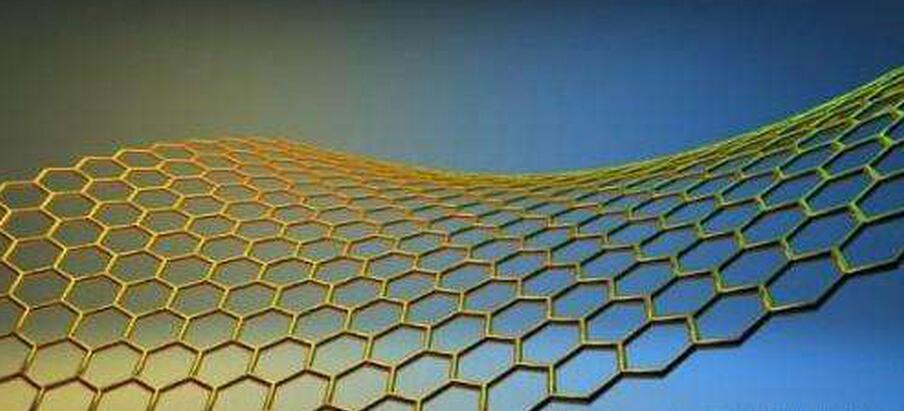 新兴材料
新兴材料
 加工设备
加工设备
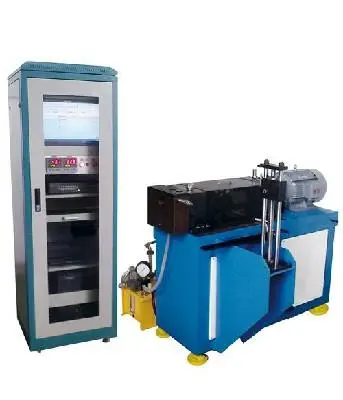 摩擦试验机
摩擦试验机
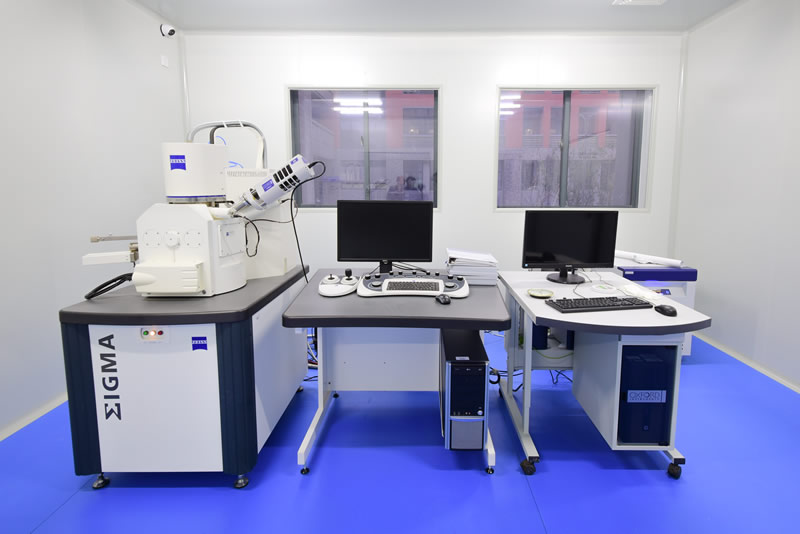 大型表征仪器
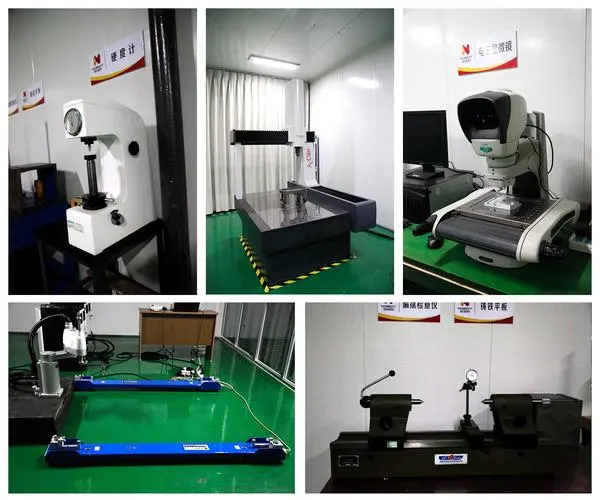 小型测试设备