Friction control plays a vital role in soft interfacial engineering. However, surface-based regulation strategies are often limited by their modulation depth and range, while bulk regulation is constrained by the efficiency of mass and energy transfer. Achieving extremely large-span friction switching in a soft contact system throughout the entire material remains a formidable challenge. Inspired by Sphagnum moss's through-pore structures, we present a water-triggered, adaptive, and penetrative friction-switching prototype (APFP) that integrates penetrative hydration to simultaneously achieve mechanical switching and interfacial lubrication. APFP features biomimetic surface pores constructed by hydrophilic polymer brushes and lithium-stabilized interconnected channels under phase separation, enabling rapid water penetration and throughout bulk modulus switching (>1000 times), along with a significant reduction in molecular chain damping (∼18 times). Unlike conventional surface regulation strategies, the APFP's penetrative mechanism allows for throughout property modulation, achieving over 100 times the coefficient of friction (CoF) switch (from ∼2.6 to ∼0.02). As proof of concept, APFP can be fabricated into intelligent medical devices with adaptive lubrication and self-supporting mechanics, serving as sutures that reduce tissue-piercing friction, while maintaining wound shape to prevent deformation. This work establishes a paradigm for constructing novel intelligent friction-control systems and soft robotics.
周老师: 13321314106
王老师: 17793132604


邮箱号码: lub@licp.cas.cn





 润滑剂
润滑剂
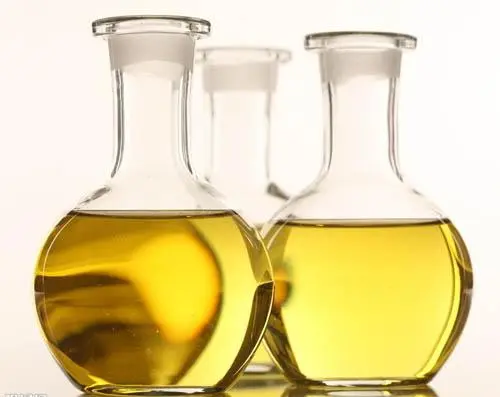 润滑油添加剂
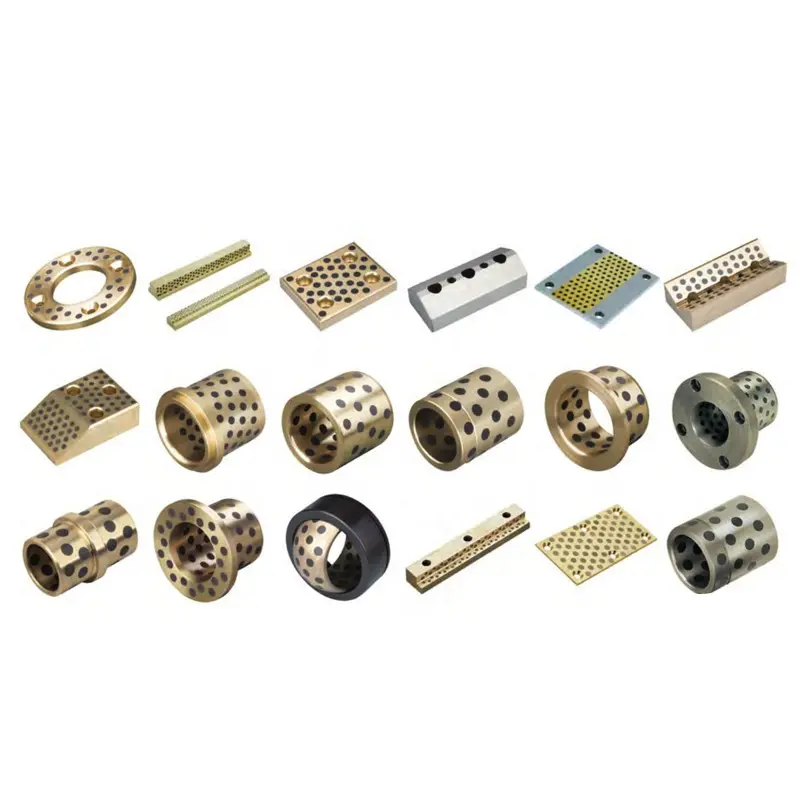 自润滑材料
自润滑材料
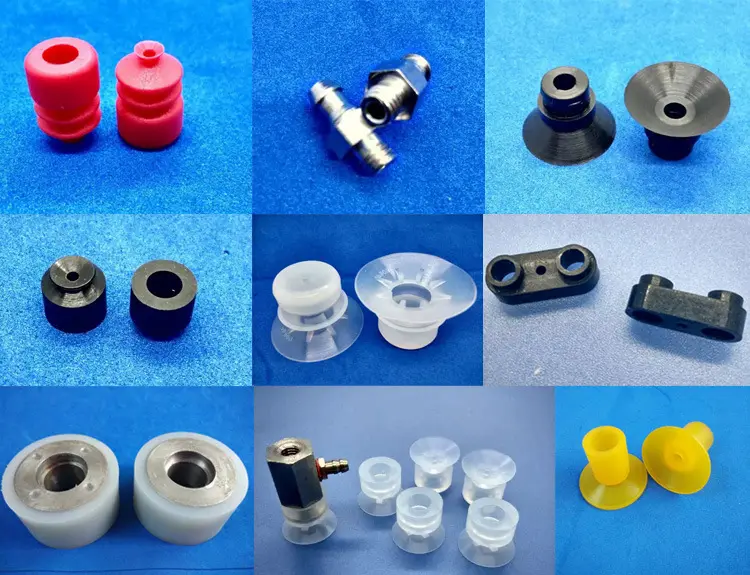 密封材料
密封材料
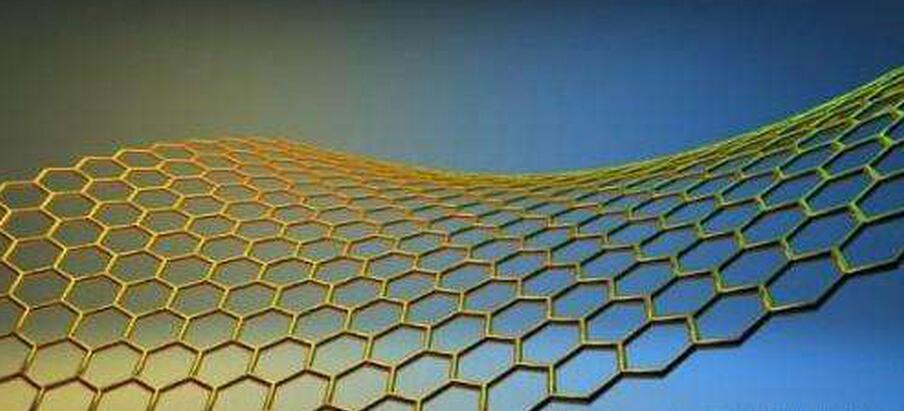 新兴材料
新兴材料
 加工设备
加工设备
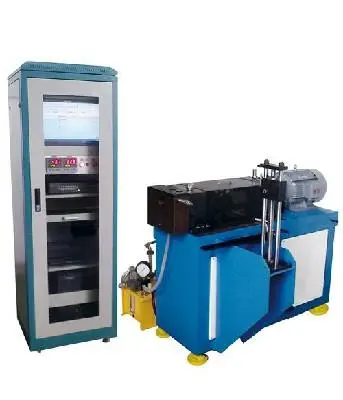 摩擦试验机
摩擦试验机
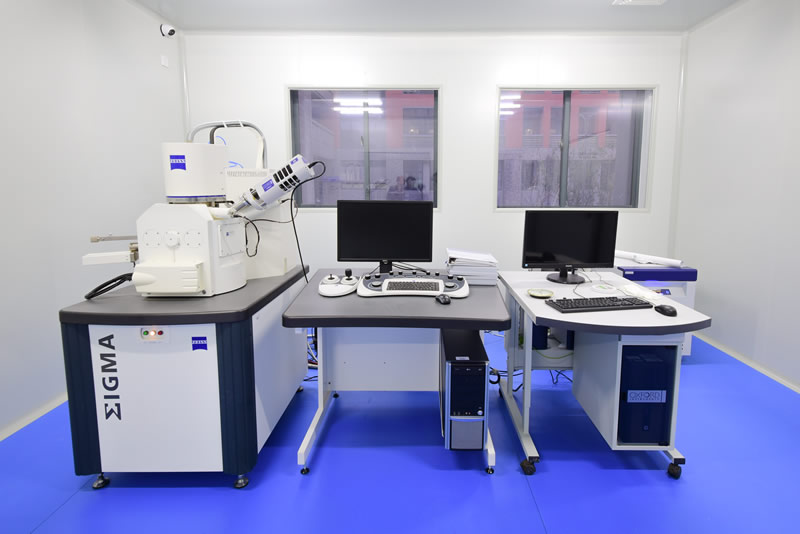 大型表征仪器
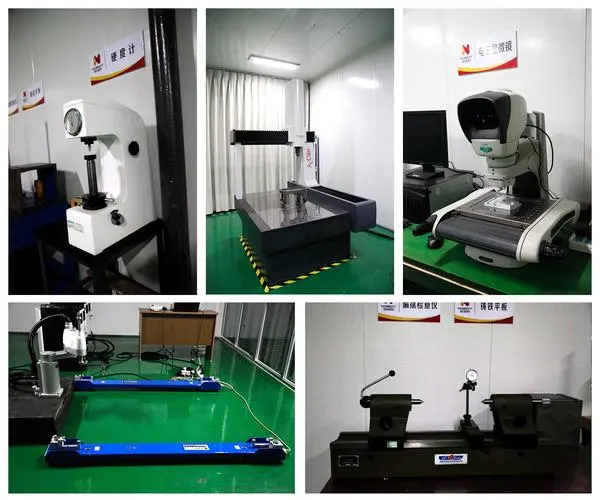 小型测试设备