The degradation of articular phospholipids by secretory phospholipase A 2 (sPLA 2), leading to lubrication failure, is a pathological factor driving disease progression in osteoarthritis (OA). In this study, two amide-functionalized single-chain phospholipid analogs (C12-AB-TMAEP and C14-AB-TMAEP) were designed to resist degradation by sPLA 2. These mimics exhibited an extremely low coefficient of friction (COF) below 0.01, attributed to the robust hydration layers formed by their zwitterionic headgroups. Following 12 days of enzymatic incubation, both analog solutions retained their colloidal stability and excellent lubricating properties, in stark contrast to the natural phospholipid DMPC solution, which was completely degraded and exhibited poor lubrication. Biological evaluations revealed good hemocompatibility and cytocompatibility for C12-AB-TMAEP, while C14-AB-TMAEP showed concentration-dependent hemolytic activity and metabolic inhibition with its longer hydrophobic chain. The design of C12-AB-TMAEP provides a new strategy for creating phospholipid mimics that combine superlubricity, enzymatic stability, and biocompatibility, offering a potential material-based approach to restoring joint lubrication in OA.
周老师: 13321314106
王老师: 17793132604


邮箱号码: lub@licp.cas.cn





 润滑剂
润滑剂
 润滑油添加剂
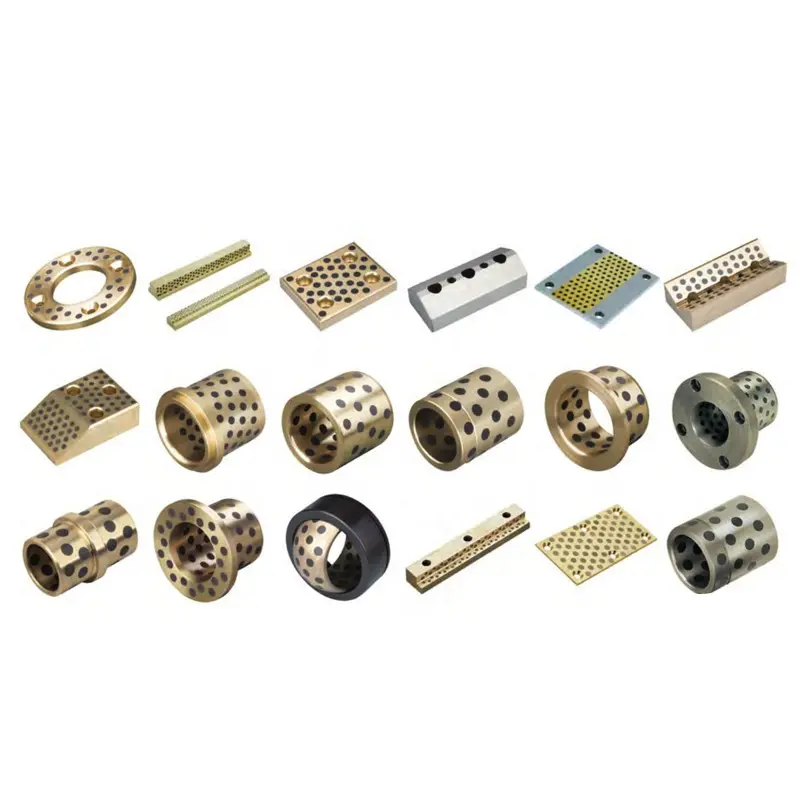 自润滑材料
自润滑材料
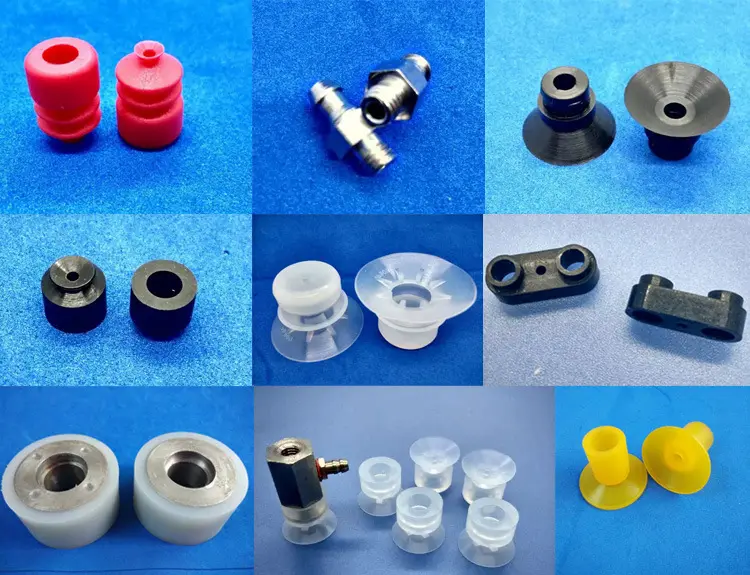 密封材料
密封材料
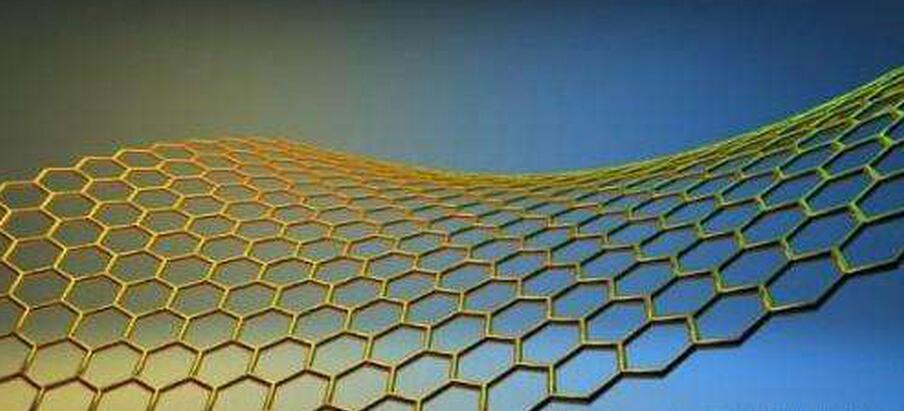 新兴材料
新兴材料
 加工设备
加工设备
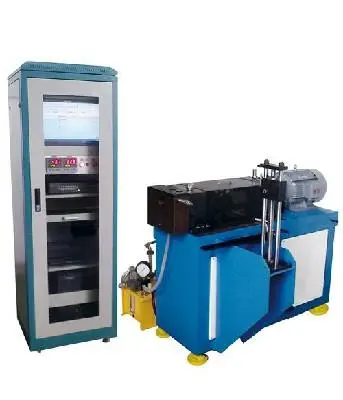 摩擦试验机
摩擦试验机
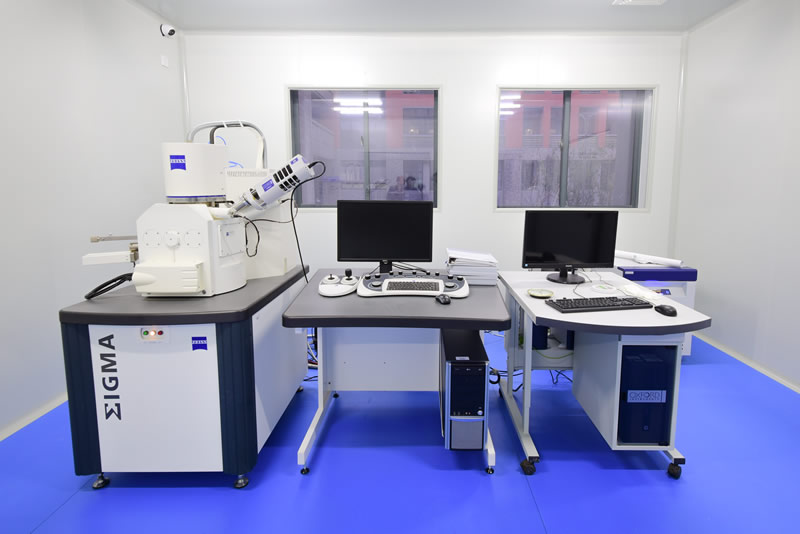 大型表征仪器
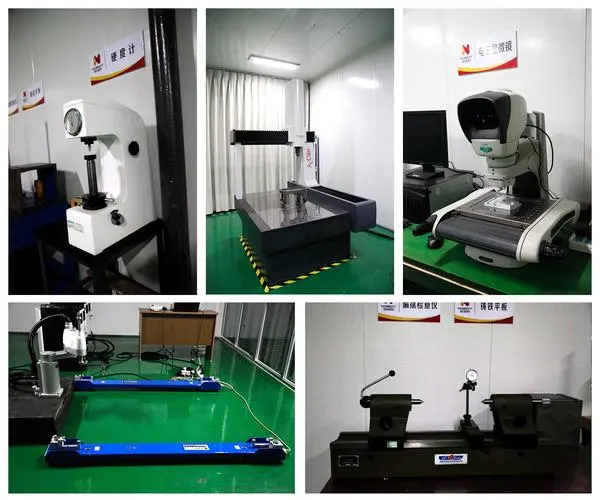 小型测试设备