Triboelectric nanogenerators (TENGs) present a promising route for self-powered tactile sensing, demonstrating considerable potential in wearable electronics and the Internet of Things. Although surface engineering is a critical determinant of TENG output performance, predominant strategies are largely confined to static structural designs. Consequently, effective approaches for the dynamic tuning of the contact interface remain limited. Inspired by the natural venation topology of leaves, this work fabricates a rhombic-patterned array on the surface of triboelectric layers via one-step template-assisted electrospinning, facilitating the formation of moiré fringes through interlayer rotation. Rotating the two triboelectric layers to predetermined angles (0°, 45°, and 90°) modulates the period and distribution of the moiré fringes, leading to distinct geometric configurations at the contact interface. This angle-dependent variation of the moiré geometry enables controllable regulation of the effective interfacial contact area, thereby yielding a tunable electrical output. This direct correlation further validates the device's capability for angle sensing. Compared with the TENG based on flat nanofiber membranes, the patterned TENG exhibited a significant short-circuit current enhancement of approximately 306%, attributed to the synergistic effect of the bio-inspired microstructure and this tunable moiré modulation. The moiré-based angular control strategy introduced here establishes a new paradigm for the design of regulated contact interfaces in next-generation TENGs.
周老师: 13321314106
王老师: 17793132604


邮箱号码: lub@licp.cas.cn





 润滑剂
润滑剂
 润滑油添加剂
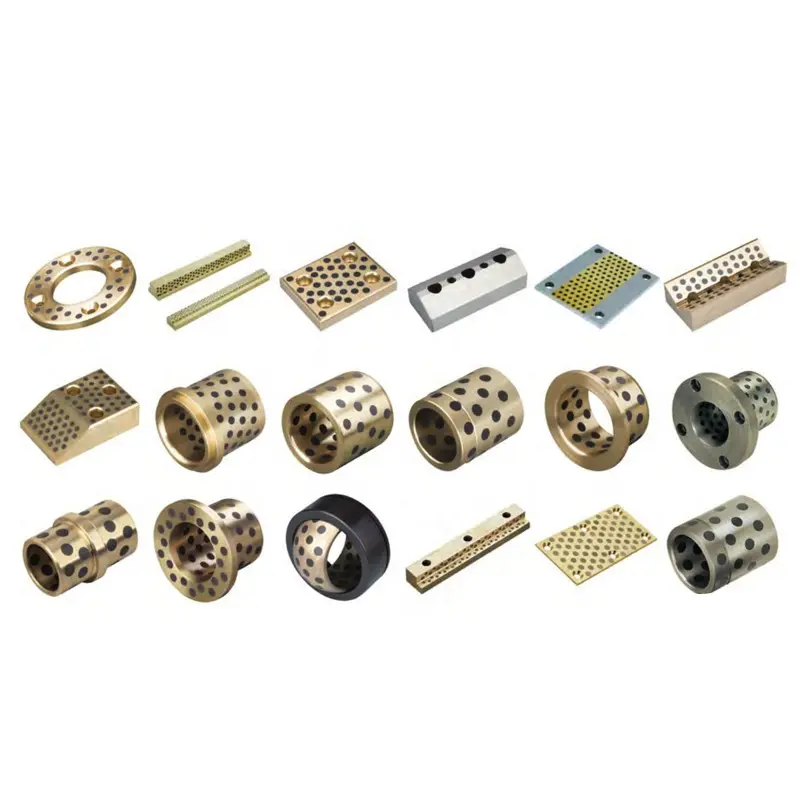 自润滑材料
自润滑材料
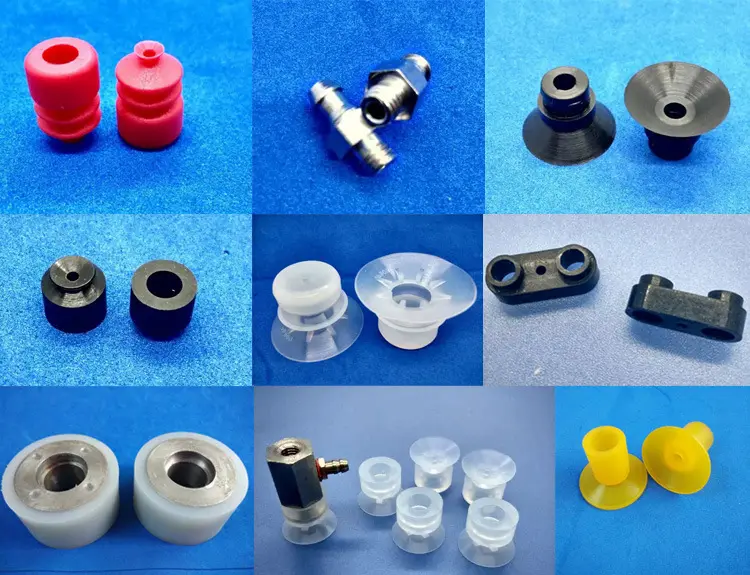 密封材料
密封材料
 新兴材料
新兴材料
 加工设备
加工设备
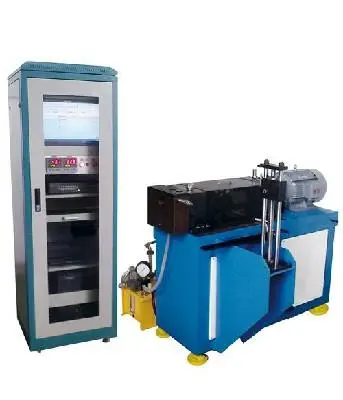 摩擦试验机
摩擦试验机
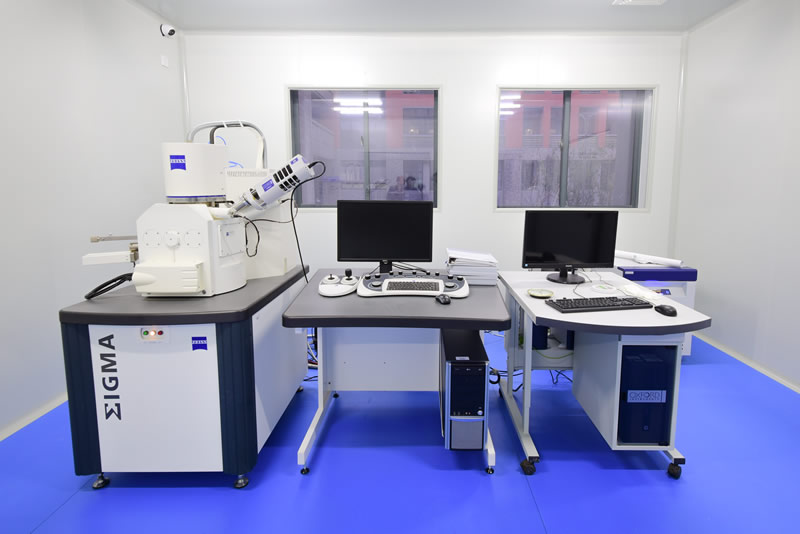 大型表征仪器
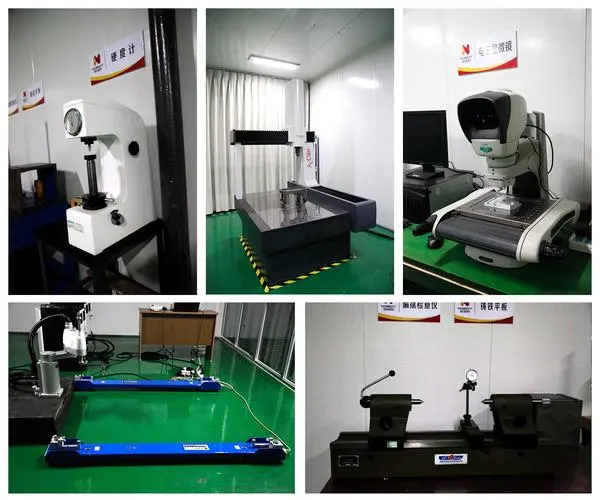 小型测试设备