Accurately identifying electronegative materials remains a challenge for flexible tactile sensors based on triboelectric nanogenerators (TENGs), primarily due to insufficient interfacial charge transfer when paired with conventional triboelectric materials. To address this, we propose butyl acrylate-styrene copolymer (P(BA-r-St)) synthesized via emulsion polymerization as a positively charged triboelectric material for single-electrode TENG devices (PBST-TENG). The P(BA-r-St) film exhibits dense morphology and hydrophobicity. The corresponding PBST-TENG device demonstrates a output voltage of 3.14 V and a charge density of 56.22 nC/m 2 under a stress of 56.3 kPa. It also shows exceptional operational stability, maintaining robust performance after 10,000 impact cycles, under high pressure (56.3 kPa), at elevated temperature (80 ℃), following water immersion, and through various mechanical deformations (bending, twisting, and stretching), with only minimal output attenuation. Integrated with a convolutional neural network (CNN), the sensor achieves 99.2% recognition accuracy for eight kinds of electronegative materials (e.g., PTFE, PVC, silica rubber) in open environments. A real-time intelligent cognitive system further validates practical applicability, delivering 88.75% average accuracy across four materials. This work demonstrates that the P(BA-r-St) is a promising enabler for high-accuracy tactile recognition of electronegative materials, paving the way for advanced flexible sensing technologies.
周老师: 13321314106
王老师: 17793132604


邮箱号码: lub@licp.cas.cn





 润滑剂
润滑剂
 润滑油添加剂
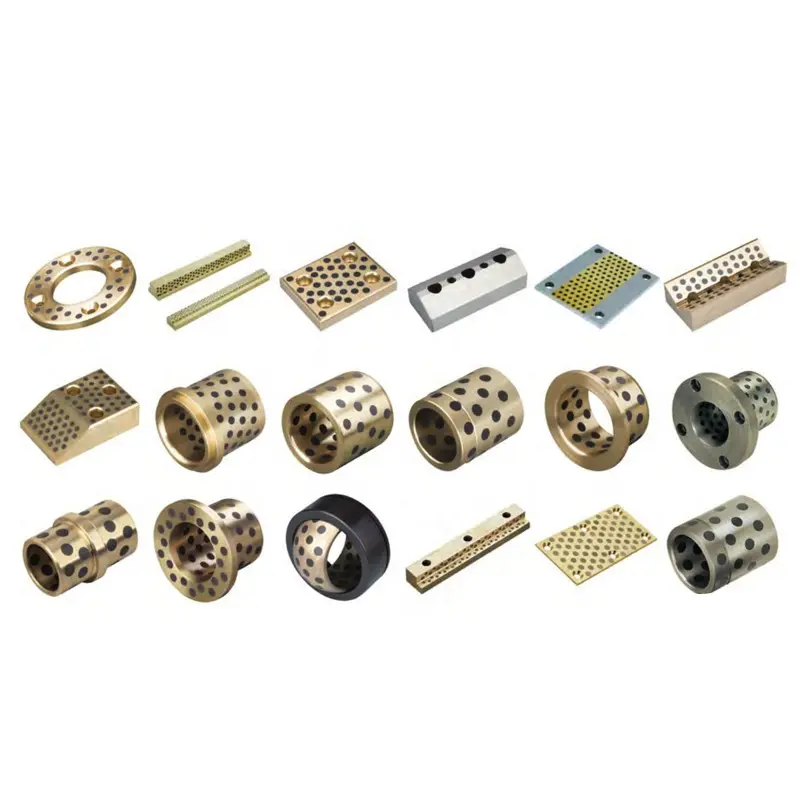 自润滑材料
自润滑材料
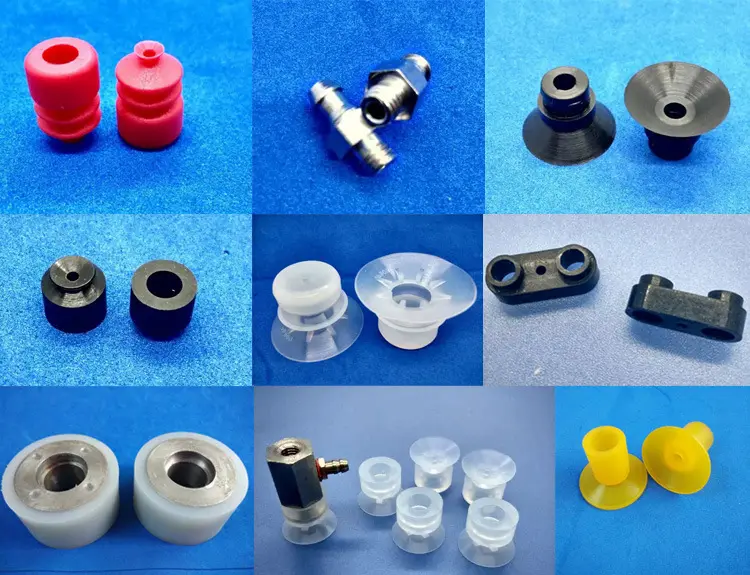 密封材料
密封材料
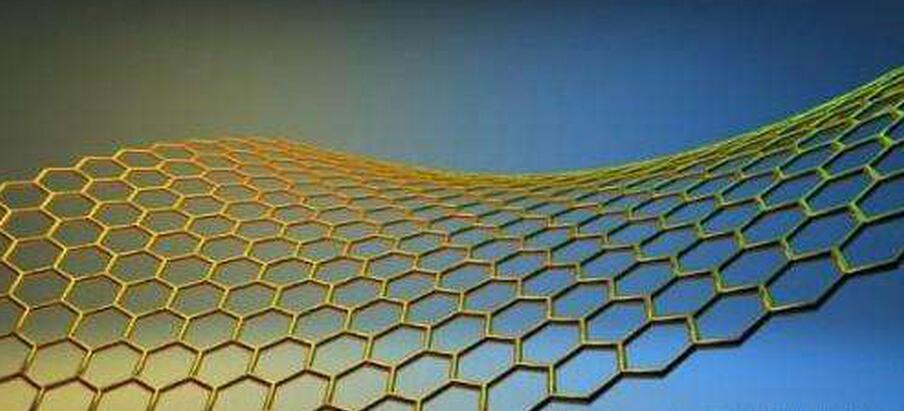 新兴材料
新兴材料
 加工设备
加工设备
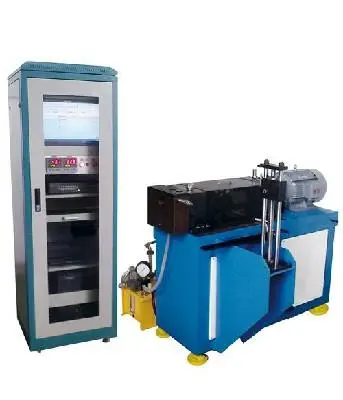 摩擦试验机
摩擦试验机
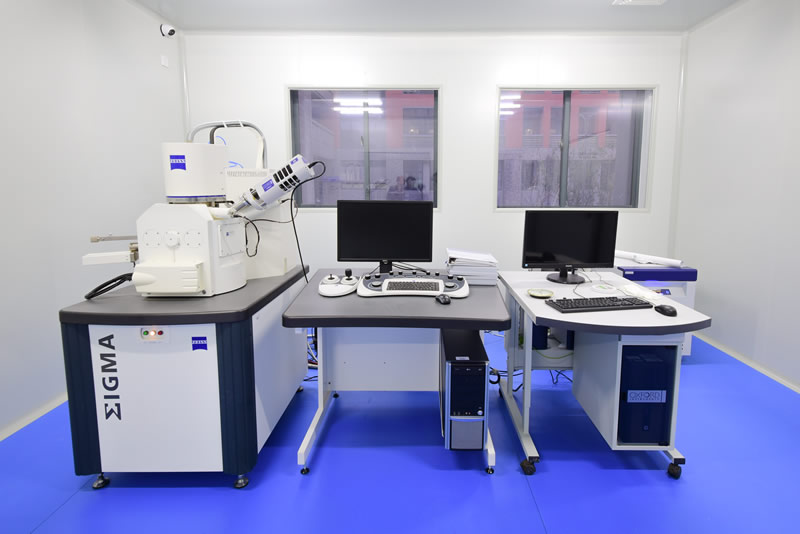 大型表征仪器
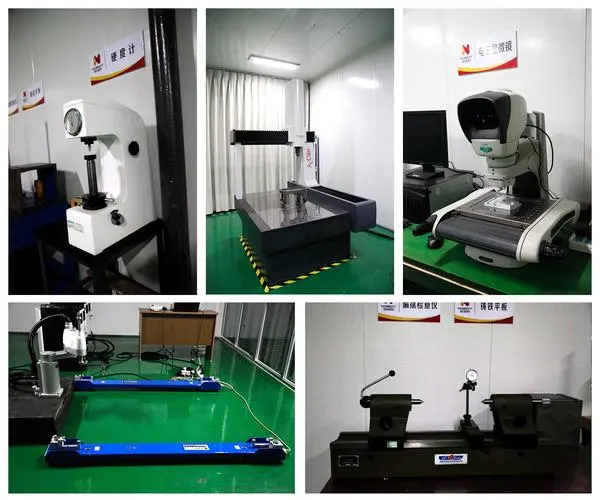 小型测试设备