This study employed a gradient preheating process (from room temperature to 350°C) to assist laser cladding technology, successfully producing a WTaMoNb refractory high-entropy alloy coating on an Inconel 718 substrate. It systematically investigated the cross-scale regulation mechanism of preheating temperature on the coating's macroscopic formation, microstructure, and high-temperature properties. The study reveals that the preheating process significantly suppresses porosity and crack formation by reducing the cooling-solidification rate of the melt pool, thereby enhancing coating formation quality. Phase analysis confirmed that all coatings comprised body centered cubic (BCC) phase, (Ni, Fe) phase, and Fe 7(Nb, Ta) 3 intermetallic compound (IMC). While preheating temperatures did not induce new phase formation, they optimized phase distribution and precipitation ratios by regulating element diffusion kinetics. Increasing preheating temperatures enhanced the diffraction peak intensities of both BCC phases and IMCs to varying degrees. Performance tests revealed that the S4 coating (preheated at 250℃) exhibited the highest microhardness (897.2 HV) due to the combined effect of solid solution strengthening and precipitation strengthening, which was 3.6 times higher than that of the substrate. The high-temperature wear rate (2.39×10 -5 mm 3/mN) and oxidation weight gain rate (0.29 mg 2·cm -4·h -1) were both optimized to one fifth of the substrate, demonstrating the best high-temperature performance. This study provides a new strategy for the preparation and performance optimization of high-performance refractory high-entropy alloy coatings.
周老师: 13321314106
王老师: 17793132604


邮箱号码: lub@licp.cas.cn





 润滑剂
润滑剂
 润滑油添加剂
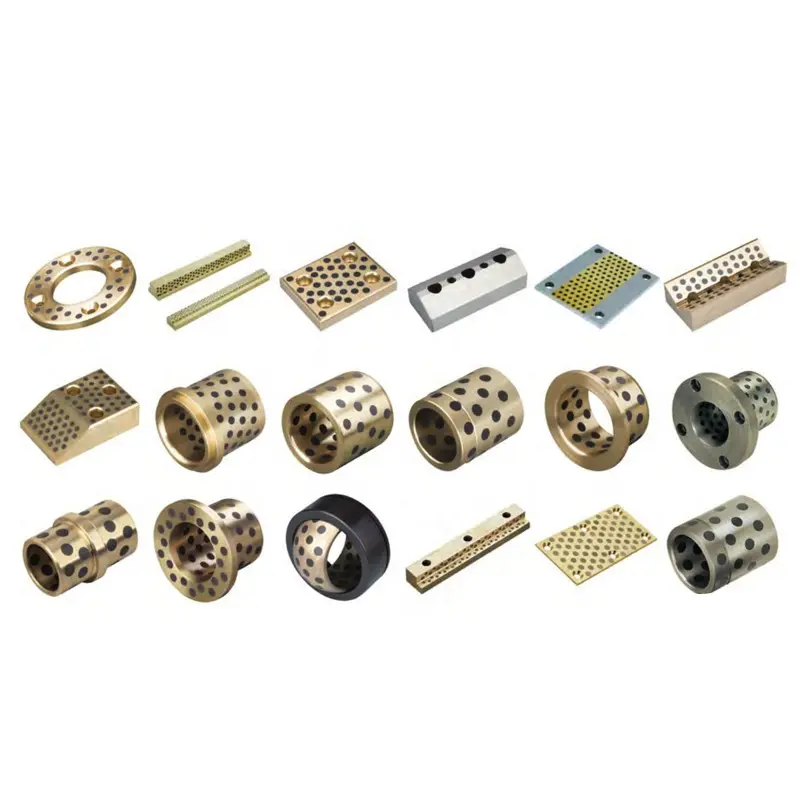 自润滑材料
自润滑材料
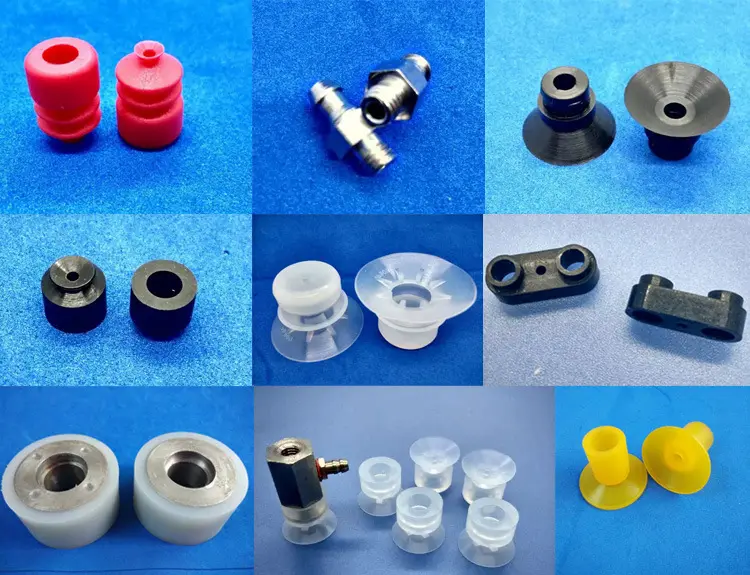 密封材料
密封材料
 新兴材料
新兴材料
 加工设备
加工设备
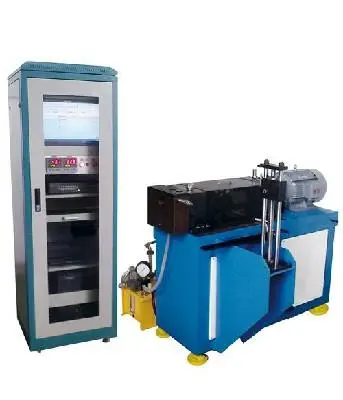 摩擦试验机
摩擦试验机
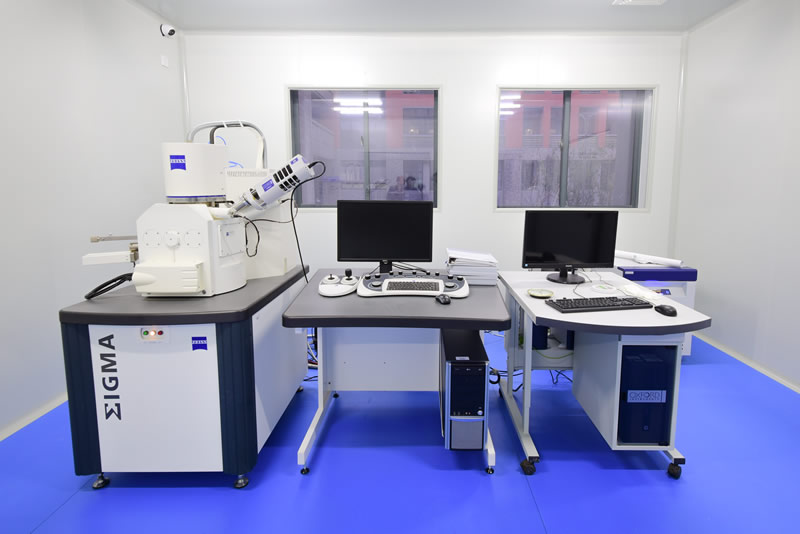 大型表征仪器
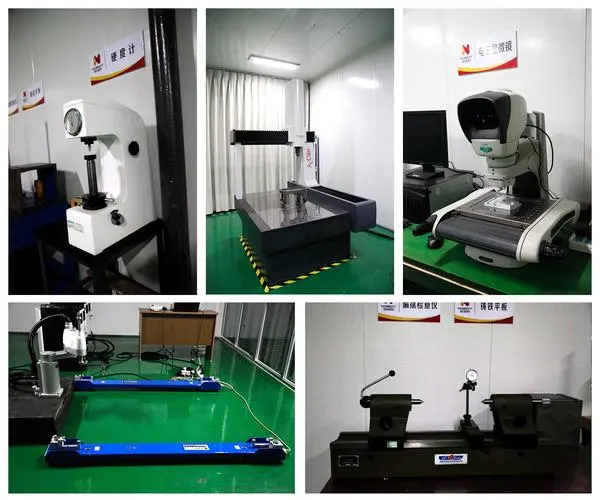 小型测试设备