Developing reliable and efficient long-term protective coatings for marine equipment remains a pivotal challenge in surface engineering. Plasma-enhanced high-velocity arc spraying (PE-HAS), an advanced high-energy deposition technology, addresses this challenge via a unique dual-anode configuration, with the nozzle serving as the first anode and the wire feedstock as the second anode. This work systematically investigates the regulation effects of dual-anode energy distribution on the PE-HAS process and the resultant performance of Inconel 718 coatings. Combining numerical simulation, optical emission spectroscopy, and in-situ SprayWatch monitoring, the independent and synergistic roles of the two anodes are clarified: the second anode current dictates wire melting and atomization behavior, while the first anode current modulates plasma jet temperature, velocity, and stability. Their interaction induces a “secondary energy boost” at the wire tip, significantly improving the kinetic and thermal states of sprayed particles. A series of Inconel 718 coatings fabricated under varied current settings were comprehensively characterized for microstructure, mechanical properties, and wear resistance. Results demonstrate that optimizing dual-anode current balance yields dense coatings with a deposition efficiency of 365 μm/pass, porosity below 1.4%, hardness over 600 HV₀.₂, and bond strength above 45 MPa. Further elevating the primary anode current refines the microstructure, achieving ~1.0% porosity and a minimum wear rate of 3.97 ×10⁻ 14 m 3/N・m. This study clarifies the hierarchical “melting–deposition” control mechanism intrinsic to the PE-HAS dual-anode system, providing critical theoretical and practical guidance for fabricating high-performance coatings suited for harsh marine environments.
周老师: 13321314106
王老师: 17793132604


邮箱号码: lub@licp.cas.cn





 润滑剂
润滑剂
 润滑油添加剂
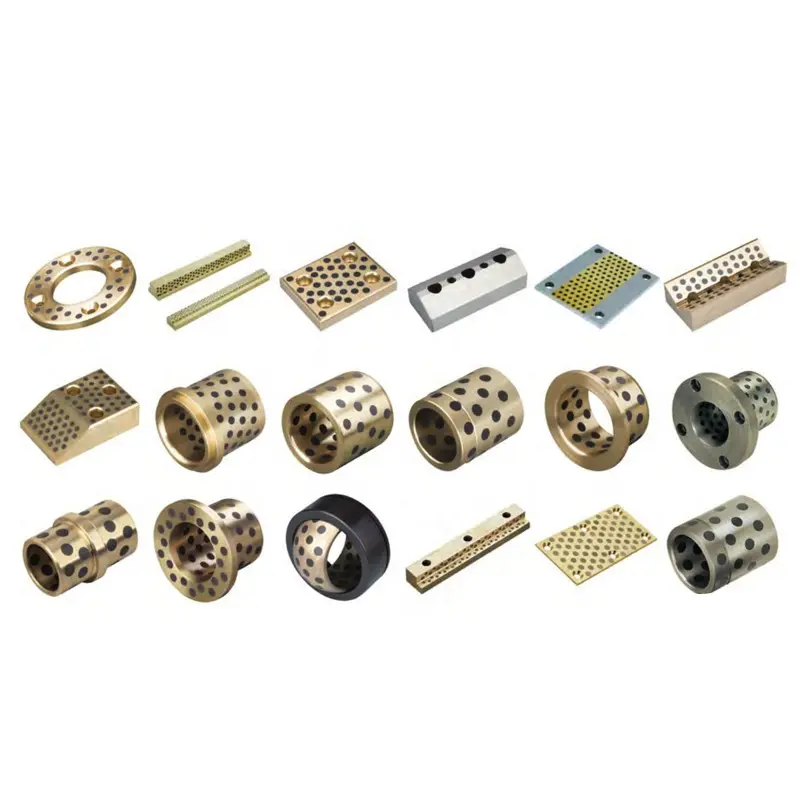 自润滑材料
自润滑材料
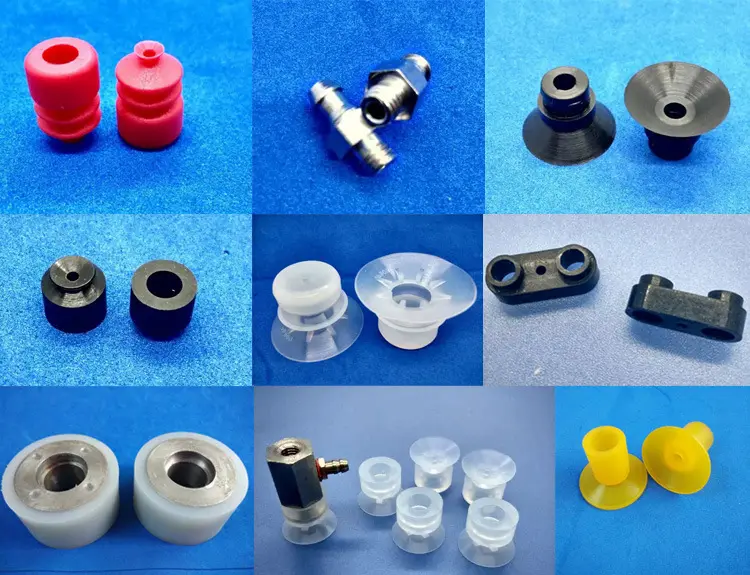 密封材料
密封材料
 新兴材料
新兴材料
 加工设备
加工设备
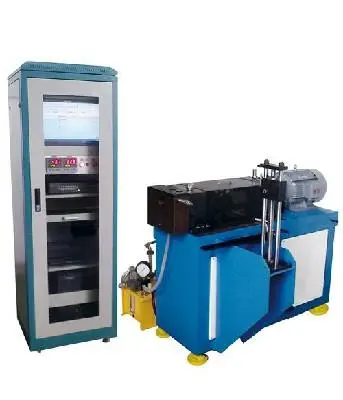 摩擦试验机
摩擦试验机
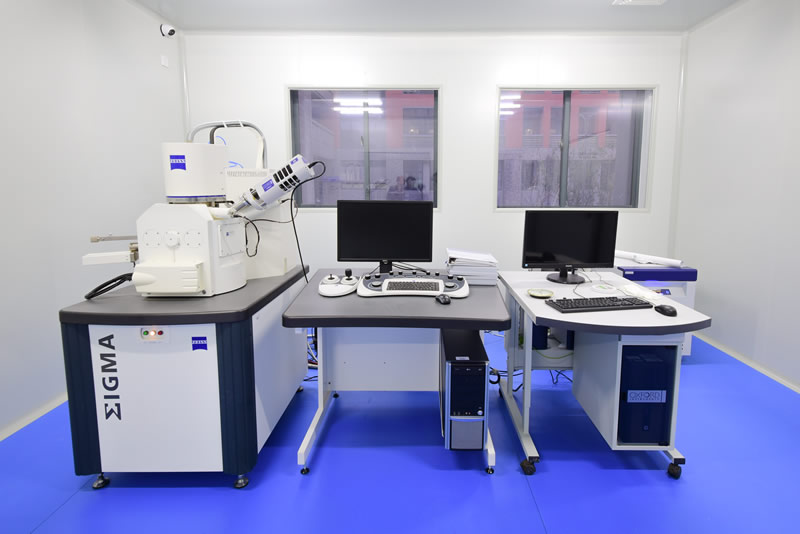 大型表征仪器
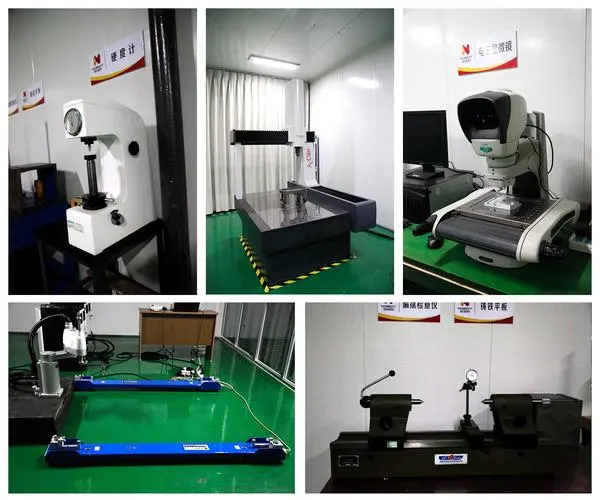 小型测试设备