A key challenge of water-based lubricants lies in their limited boundary lubrication performance, which can result in direct asperity contact and increased wear. Incorporating nanoadditives is one potential strategy to improve their tribological properties and extend the lifespan of components. This study focuses on the dispersion stability, density, viscosity, and tribological properties characterization of water-based lubricants containing various additives, including Ionic Liquids, MgO, MXene, t-GO, Al2O3, SiC, and TiO2. Despite the incorporation of these additives, the coefficient of friction remained relatively high, exceeding 0.3 for all lubricant samples. However, the addition of TiO2 additives significantly improved resistance to friction and wear by 11.34% and 51.84%, respectively, compared to a water-propylene glycol lubricant without nanoparticles. The primary mechanism behind this improvement is attributed to the ability of TiO2 nanoparticles to facilitate tribofilm formation and create a separation between contact surfaces through a rolling action. Among all the formulated water-based lubricants, TiO2 proved to be the most effective in reducing both friction and wear. This study highlights the potential of combining additives with propylene glycol to improve lubrication performance by shifting from boundary to mixed lubrication regimes.
周老师: 13321314106
王老师: 17793132604


邮箱号码: lub@licp.cas.cn





 润滑剂
润滑剂
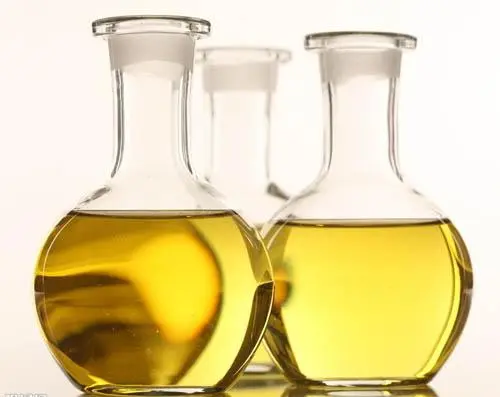 润滑油添加剂
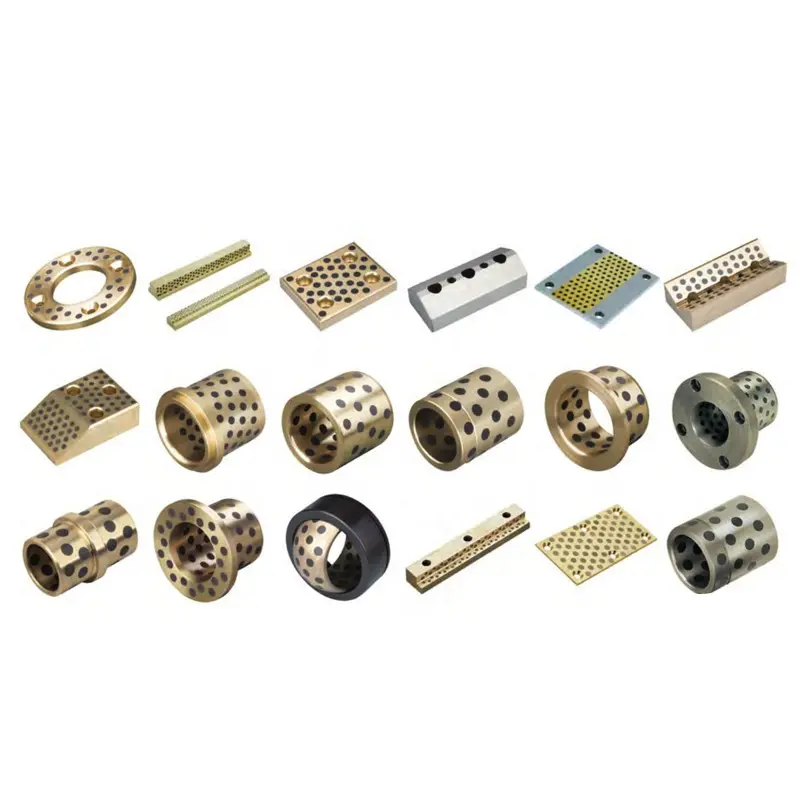 自润滑材料
自润滑材料
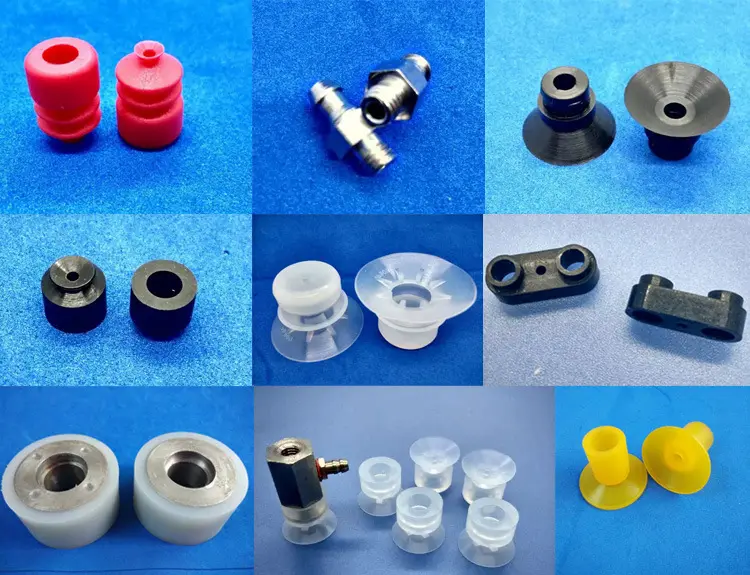 密封材料
密封材料
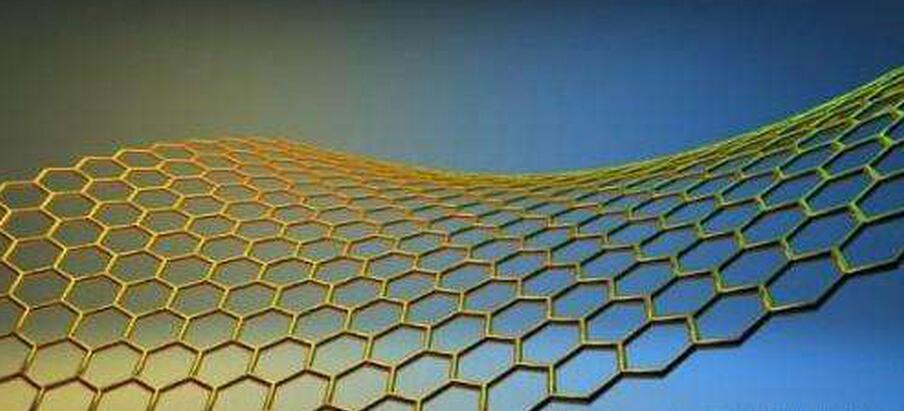 新兴材料
新兴材料
 加工设备
加工设备
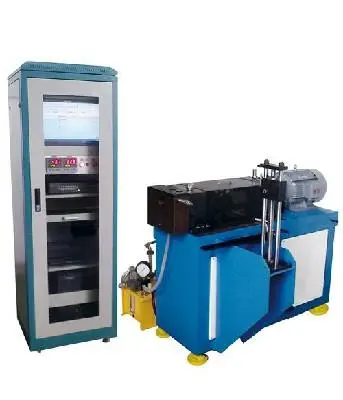 摩擦试验机
摩擦试验机
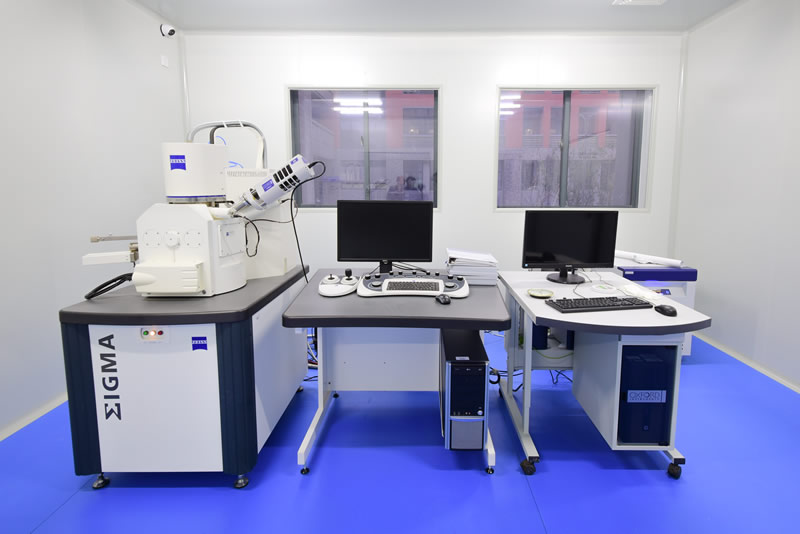 大型表征仪器
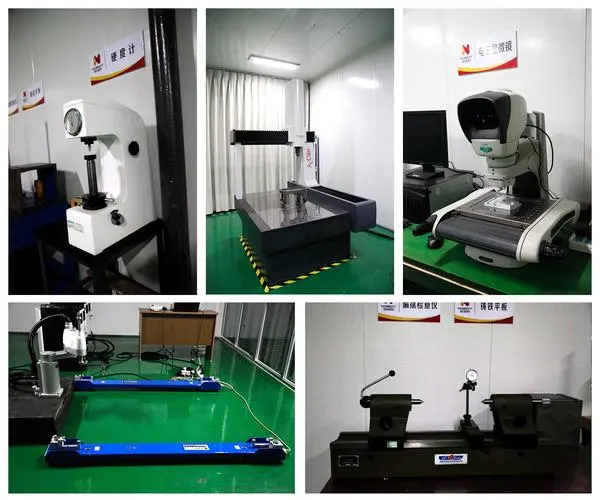 小型测试设备